

Skin care is a fundamental habit in our daily routine that many of us don't pay much attention to. We must bear in mind that skin care is not only about something to do from foodbut our skin also needs specific products to protect it. according to their type, needs or time of year.
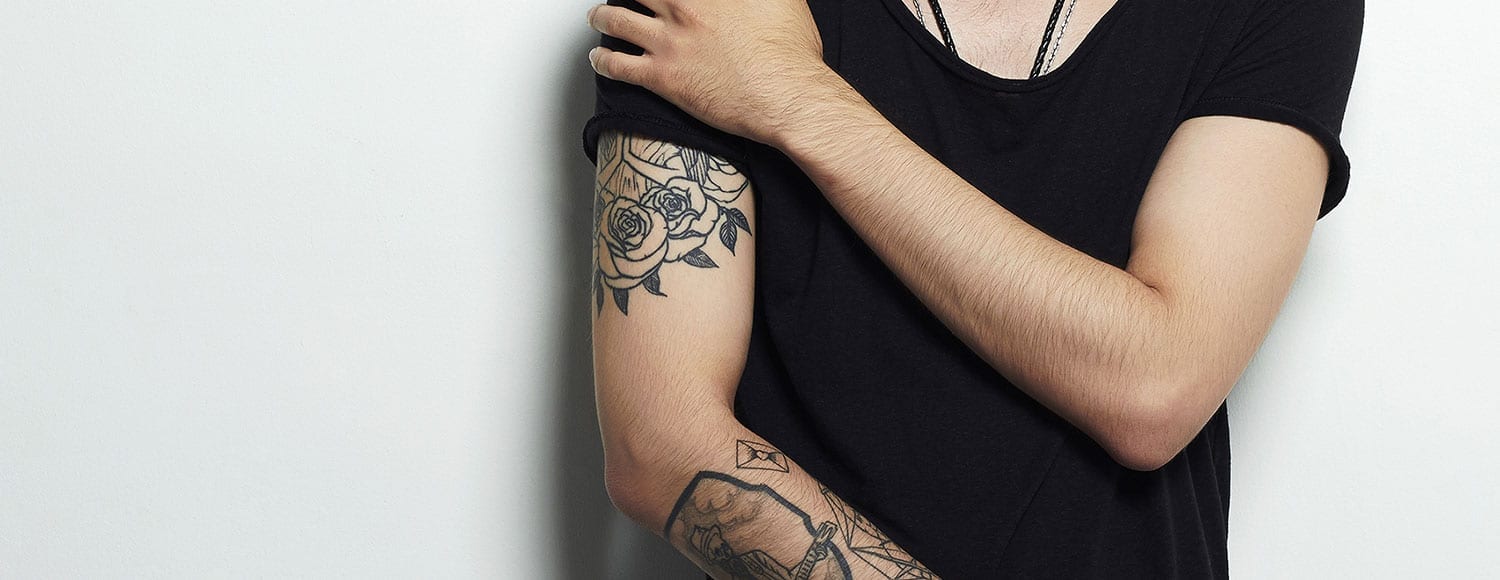
On the other hand, nowadays it is becoming more and more common to see tattoos on the skin of many people. Is this your case? Do you have tattoos, have you recently got one or are you thinking of getting one? It is important for you to know how to care for a tattoo and the skin it is applied to are essential. Remember, it's something you'll wear for life, so be cautious about the treatment you choose.
Your tattoo professional will probably give you some recommendations on how to take care of your tattoo. If he/she has not done so, you need to be familiar with them in order to avoid possible allergic reactions or reddening. However, you should know that your skin's reaction to the tattoo will be different depending on the type of skin you have. Here we explain how to care for your tattoo.
Tattoo bandage
We know that as soon as you have finished your tattoo you will want to remove the bandage or cling film so that you can see it and show it to everyone. But bear in mind that it is essential that you wear it so that the area in question does not become infected. It is certainly a very effective method since this material is waterproof and will protect you from external elements as well as powder. It also replaces the old gauze bandages that stuck to the wound and irritated the skin.
You will need to wear the cling film for an average of four to six days, but from the first day you will need to start with your hygiene. Keep in mind that this bandage is only for protection, just another step in the healing process.
[Tweet "A #attoo is for life, it's up to you and your skincare to make it look perfect"]
Tattoo hygiene
Tattoo hygiene is an indispensable part of the healing process for the treatment. Perhaps the most important for prevent infections in our skin. Bear in mind that after all, a tattoo is an open wound on our body, where any factor coming from our body or from outside can affect its healing.
Washing the tattoo with a neutral PH soap suitable for tattoo care is essential. But above all, once you have used the soap, do not forget to keep it tightly closed in a hygienic place out of the reach of external bodies that could inhibit its neutrality.
It is best to use a bar of soap. Rub it with lukewarm water with clean hands until it dissolves. Place it on the tattooed area until the excess ink and elements that the body itself wishes to exclude are removed. This process should be done two to four times a day for proper disinfection. Be aware that overdoing it may cause the scab to soften and the tattooed tissue may not heal properly. Do not overdo it!
Tattoo hydration
Tattoo care continues with the hydration of the treated area. This step in the healing process is the one on which we often find a diversity of opinions. But what is certain is that if we do not moisturise the tattooed skin we will find that the scab will dry and take away part of the ink that should remain in the design. So we could lose areas that belong to the tattoo.
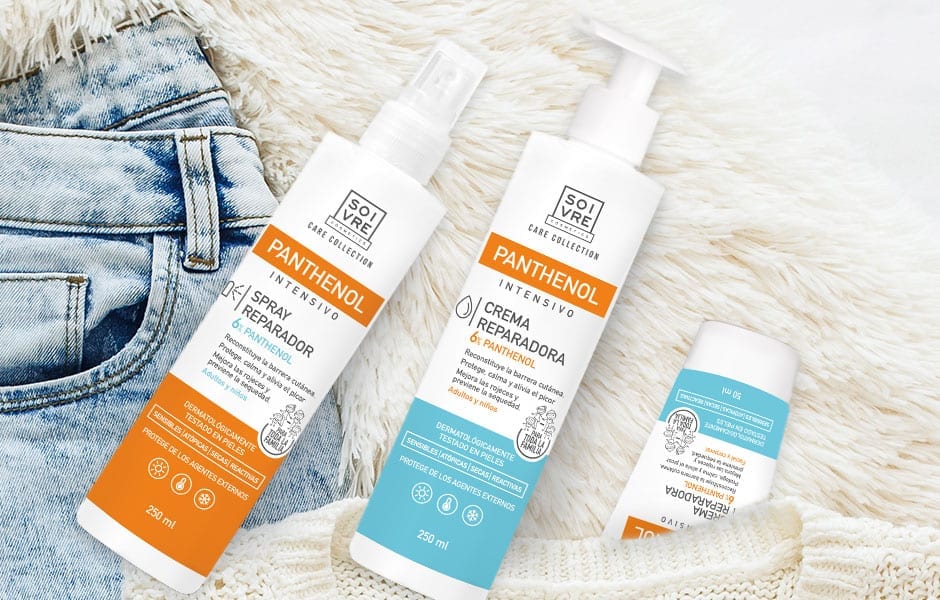
Many tattooists recommend petroleum jelly to moisturise the tattoo area, but this method is too thick and clogs the pores too much. A moisturising cream with a neutral PH and free of alcohols and perfumes would be the ideal healing method. We therefore encourage you to try our tattoo cream. After tattooideal for protecting and moisturising the skin after tattooing. Thanks to its components, it offers complete hydration, as the panthenol provides a protective layer on our skin that prevents possible infections. In addition, it contains aloe vera which soothes possible pains or itching and provides an absolute feeling of well-being.
Our After tattoo cream - which is available in a 50ml tube format - is a does not contain parabensIt is recommended to be applied within 15 days after tattooing.
Please note that the cream should be used from the first washing until the crust is completely removed from the skin. In addition, it should not be exposed to the sun until one month after the tattoo has been applied.
Now you know how to take care of your skin after a tattoo. The final result depends on you :-)
[Tweet "The ideal #cicatrisation method is a #cream moisturiser with #PHneutral without alcohols or perfumes"]]
We recommend that you be very careful with the process and that you also take into account elements such as the clothes you wear during those days. It may seem silly, but avoiding unnecessary chafing will help the sensitive area to perspire and also prevent irritation.
On the other hand, activities such as swimming, going to the gym, sports that make you sweat a lot or physical contact should be avoided during the first weeks of treatment to avoid exposing possible germs in your body and in the tattoo area, which during these days will be more sensitive than usual.
We hope our guidelines have been helpful and that you will enjoy the healing process with a tattoo to your liking and perfectly moisturised skin!
If you have any questions, please let us know ;-)