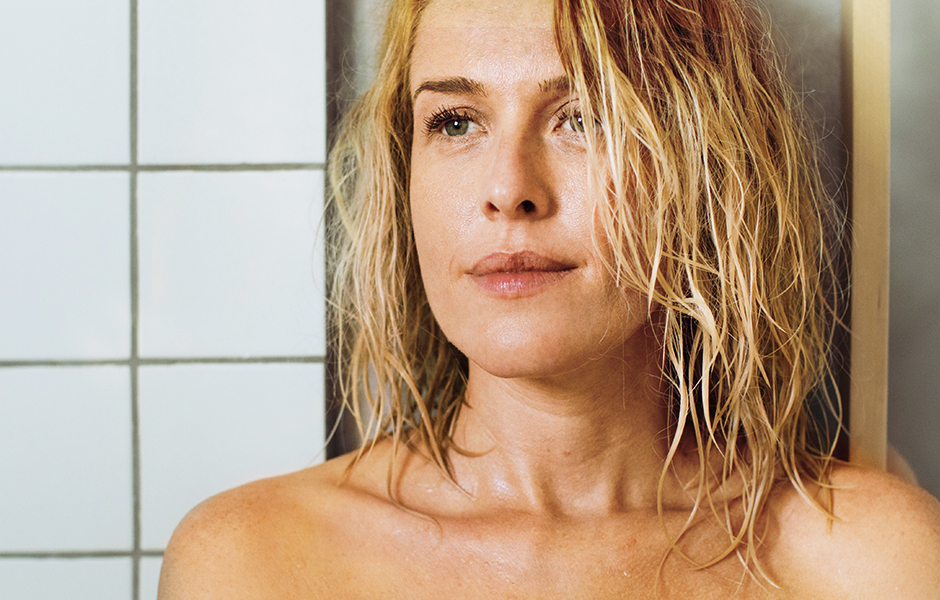



What happens to the skin during pregnancy? Today we are going to talk about it. During pregnancy, due to hormones, our organism is revolutionised because we are in a changing process. That is why our skin is affected by stretch marks, itching, blemishes, acne and even varicose veins..
Visit what happens to the skin during pregnancy will be essential for us, not only to take good care of our skin but also for the knowledge of knowing what can happen to our body and not to be scared. Knowing that it is something normal and that we can fight it! Because having a child is an unforgettable moment in our lives, something we wouldn't change for anything in the world and that we will always remember, although some side effects such as varicose veins or redness we would prefer to forget ;-) So, read on because today we are going to tell you how you can deal with these hormonal changes that alter our skin.
What habits are recommended during pregnancy?
During pregnancy, the skin is more sensitive than ever. It is therefore advisable to introduce some basic habits into our routine:
- Daily showers or baths, controlling excessive heat, as this will make our skin more sensitive.
- Apply moisturising creams to prevent the appearance of stretch marks in more frequent areas such as the buttocks, breasts and abdominals.
- Protect ourselves from hyperpigmentation by sun creams.
- Perform good vaginal hygiene from urethra to anus using neutral soaps.
These are simple steps that, if included in our care routine during pregnancy, will contribute to good health and hydration - fundamental aspects during pregnancy.
[Tweet "#VitC prevents the appearance of #stains on #rostro"]
How to combat skin problems during pregnancy?
In addition to knowing these good habits, it is also important to know how to act in the event of any alteration of our skin. Here are some recommendations:
- Skin blemishesThe spots or redness usually appear on the skin. 70% of women in the second half of pregnancy The spots appear as dark, irregular brown patches, especially on the face. One way to prevent or avoid the appearance of new spots is through sun protection. The Soivre Vitamin C Cream can be your great ally, since thanks to its powerful antioxidant and regenerating natural. Vitamin C helps to lighten skin darkened by blemishes.
- Moisturise your skin: As we mentioned earlier, keeping your skin constantly hydrated helps to increase its elasticity during this period of so many changes in our bodies. In this case, our argan oil based body cream will give you the hydration and firmness you need. Remember that areas such as the abdomen, breasts and thighs are the ones that need the most care during the months of pregnancy.
[Tweet "During pregnancy #HydratesSkin to give extra #elasticity"]]
- Cellulite or orange peelCellulite: This is one of the most common characteristics during pregnancy and the one that manifests itself first. It is caused by the accumulation of fat in areas of the body such as the buttocks, legs, and legs. What can we do to combat cellulite? You can act on several fronts, for example:
- Ensure that your diet is healthy and balanced so that the weight you gain during pregnancy is appropriate.
- Walking for one or two hours a day keeps us agile and at the same time contributes to the elasticity of our skin.
- Avoid tight or constricting clothing.
- Massage swollen or orange peel areas to promote blood circulation.
- Stretch marks: Stretch marks usually appear on our body especially during the last months of pregnancy and you should know that they cannot be eliminated. In any case, they can be mitigated or prevented. And although their appearance is usually related to rapid weight loss and weight gain, it is also a question of your genetics. A way to prevent its appearance is to keep our skin moisturised at all times with suitable creams.. But if these creams regenerate our skin and make it more elastic much better. This is the case of our rosehip-based body creamThis oil has excellent properties for the regeneration of tissues. We recommend that when you apply it you do so with delicate circular movements for about 10 minutes. And apply it not only on the abdomen area but also on the breasts.
- Foot pain: During pregnancy, the pregnant woman's legs and feet will be carrying more weight than usual, so they will be swollen and painful. A very effective remedy is to keep your legs up for a while every day. In addition, applying creams or gels that provide relief for swelling can help us a lot to avoid these discomforts. In this case, we recommend our gel for tired legs: it is formulated with ruscus, witch hazel and menthol which are natural active ingredients with vasoconstrictive, anti-inflammatory and astringent properties.
The truth is that it is impossible to predict what changes each pregnant woman will encounter, although in most cases the skin changes are usually linked to the characteristics mentioned above. Try to be cautious and careful during this beautiful periodThis will help you to stay in shape after giving birth.