


WHAT IS AROMATHERAPY?
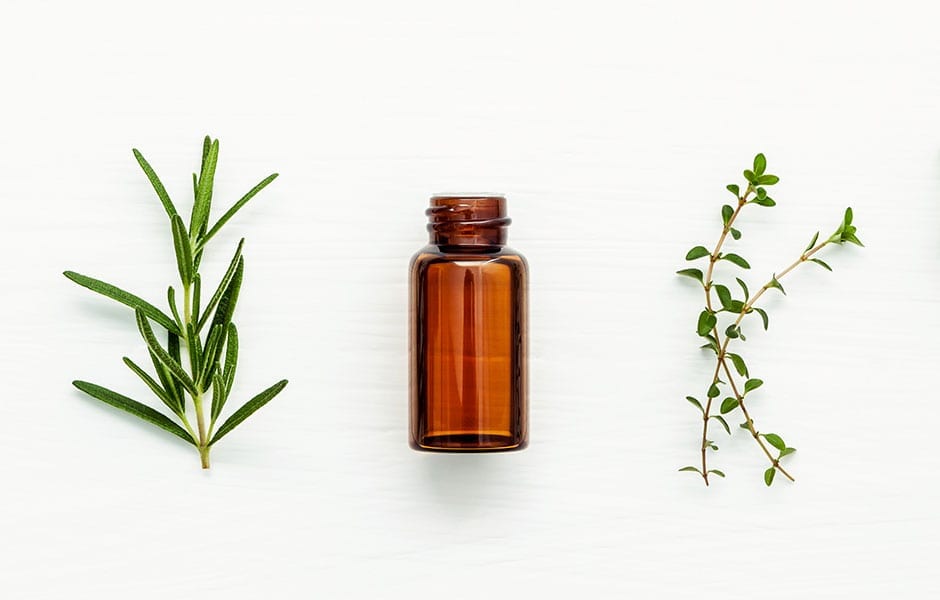
Aromatherapy is a therapeutic treatment that is based on the use of essential oils which are extracted from plants for the purpose of balancing, harmonising and promoting health of body, mind and spirit. Although there is not much evidence to support its efficacy in the treatment or prevention of any disease, there are several clinical studies that have found it to be an effective method of complementary therapy. Essential oils have been shown to have an effect relaxing or stimulant and at the same time, if applied through the skin, they moisturise and nourish.
[Tweet "#aromatherapy promotes physical and psychological wellbeing through the use of essential oils "]]
ORIGIN OF AROMATHERAPY
Although the term aromatherapy was first used in 1935 by chemist René-Maurice Gattefosé, the term has been used for many years. benefits of plants have been used for thousands of years.
The ancient civilisations of China and Mesoamerica already used the aromas of flowers and plant infusions to make body baths. It is also known to have been used by the Egyptians and the Greeks. Hippocrates was a great advocate of the use of aromatherapy in the bath and in the baths. massage oils.
In the Muslim Spain of the 9th, 10th and 11th centuries there was a school of perfumers who introduced the knowledge of the Arab alchemists in Europe on scents and aromas.
BENEFITS OF ESSENTIAL OILS
In addition to moisturise and nourish the skin, the most important thing about essential oils is their virtues. relaxing, invigorating or decongestiveThe benefits of essential oils correspond to the phytotherapeutic properties of the plants. The benefits provided by essential oils correspond to the phytotherapeutic properties of essential oils. medicinal plants.
The main uses are to relax, reduce stress, relieve pain, increase defences, clear airways, prevent contagions.
- Lavender: purifying, balancing, sedative and relaxing. It relieves headaches caused by tension or stress, regulates high blood pressure, is sedative and soothes burns and insect bites.
- Tea tree: is characterised by its antiseptic, antiviral, antifungal, anti-inflammatory, healing and analgesic properties.
- Lemon:stimulating, refreshing and purifying. Relieves stress, reduces mental fatigue, improves blood circulation.
- Romero:is stimulating. It relieves rheumatic and muscular pains, helps those suffering from low blood pressure. It also increases blood circulation to the brain.
- Mint:antiseptic, decongestant and digestive. It is effective in treating flu, relaxes and soothes the muscles of the stomach and gastrointestinal tract, as well as nervous disorders.
- Bergamot:is stimulating, revitalising, energising and refreshing. It is used to relieve stress, depression and anxiety and to restore appetite.
APPLICATION TECHNIQUES
- Inhalation. It can be done directly or mixed, for example, with hot water. This technique uses aromatisers or essence diffusers.
- Through the skin. It is done by mixing different essential oils or dissolved oils with base oils or water. As a general rule, essential oils cannot be applied directly to the skin because of the high concentration of active substances they possess can irritate the skin.
We can pour a few drops of essential oil into the bath water or we can massage with a neutral cream and a few drops of essential oil.
FOR SKIN CARE
Aromatherapy for the skin makes use of the properties of the essential oils for health and beauty. The active components of plants applied through the skin act on different layers of the skin and facilitate their cellular renewal.
Oils used for skin care have a variety of qualities: cleanse, revitalise, firm up and help to cure various skin problems such as eczema, dermatitis and irritation.
The main oils used for skin care are the oil from the Tea treeBergamot, Elemi, Geranium, Orange Leaf, Lavender, Frankincense, Chamomile, Yarrow and Patchouli.