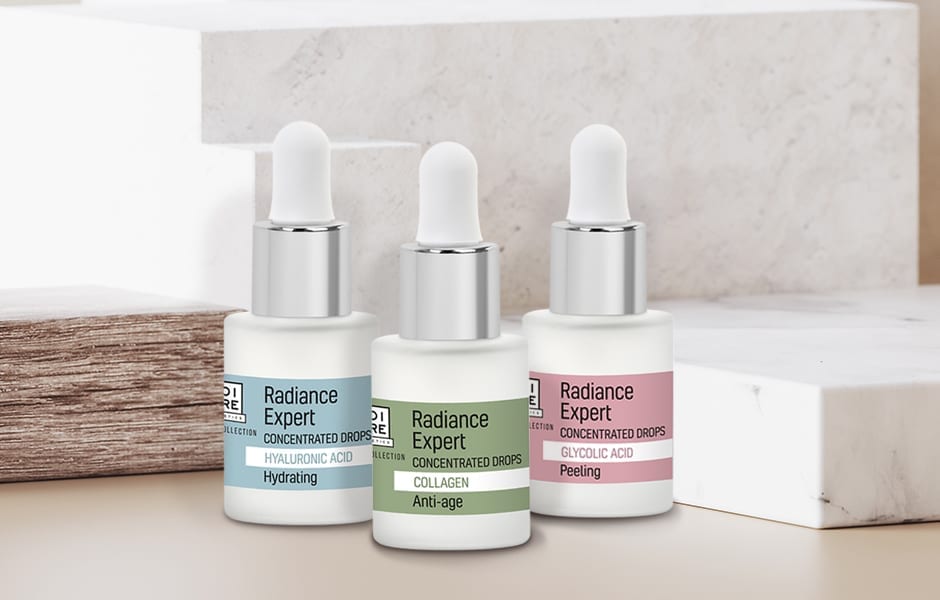



The oil of rosehip for the face is one of the most widespread facial skincare items in many women's daily habits. While it is inevitable that the passage of time will leave its mark on our faces, what we can do is reduce the impact of those marks. As we have just discussed, one of the most important natural regenerative products Rosehip oil has been widely used.
It is ideal for reducing expression marks like wrinkles on the face, to remove blemishes and imperfections, cleanse pores and give facial skin a more luminous appearance.
Properties of rosehip oil for the face
The regenerative properties of rosehip oil are determined by the way in which it composition:
- Cis-linoleic acid or Omega 6 (41-50% - Polyunsaturated fatty acid)
- Alpha-linolenic acid or Omega-3 (26-37% - Polyunsaturated fatty acid)
- Oleic acid or Omega 9 (10-20% - Polyunsaturated fatty acid)
- Palmitic acid (3-5% - Saturated fatty acid)
- Stearic acid (1-3% - Saturated fatty acid)
- Transretinoic acid
- Vitamin C
- Beta-carotene
- Flavonoids
- Tannins
Rosehip oil promotes faster regeneration of epidermal cells. It also renews tissue by increasing the synthesis of collagen and elastin. After several weeks of application, the skin looks smoother and regains elasticity.
How it is applied
There are several forms of application of this oil. Let's take a look at some of them:
- Apply the massage oil directly to the affected areas of the face.
- Purchase a rosehip cream for the face.
- Enrich your usual face cream with about 10 drops of oil for every 30 ml of cream. Rose increases its ability to penetrate the skin: it has a vehiculising action.
From Soivre we recommend that you carry out the regenerative treatment for the face twice a day. And of course, don't lose sight of other important skin care factors such as following a healthy skin care routine. healthy diet, protect yourself from the sun and drink enough water.