


Do you know what are the benefits of vitamin C for the skin? Do you know why it is one of the main ingredients to fight ageing and why you should incorporate it in your diet? healthy skin care a vitamin C cream?
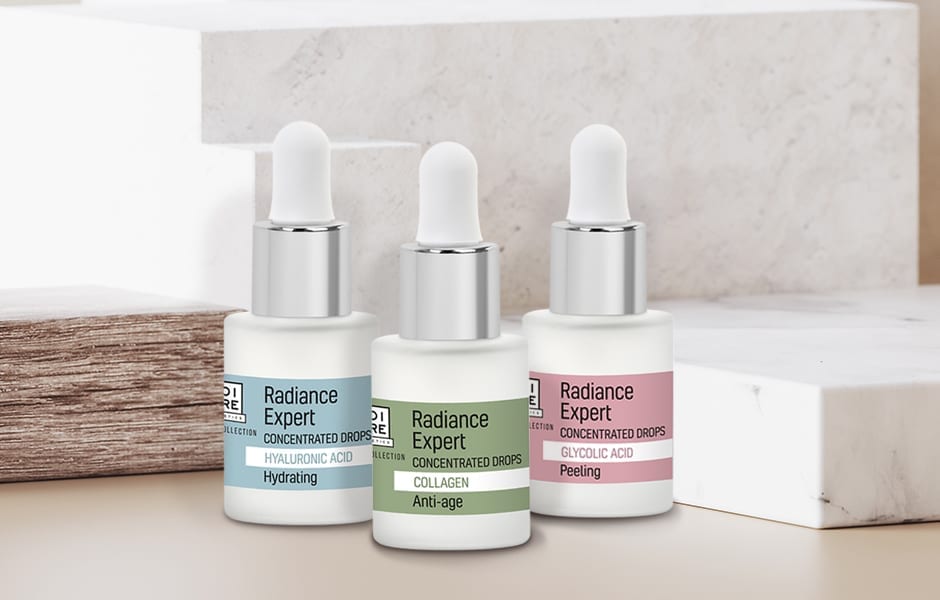
At SOIVRE we produce gels and creams rich in vitamin C to provide our skin with this antioxidant and regenerating treatment for combat the effect of free radicals such as the sun, stress, pollution...
One of them is our revitalising face cream with Vitamin C. It is an ideal product for renewed skin, with more radiance and vitality.
Read on for today's post. We are going to help you answer questions about how vitamin C acts on our skin.
Beneficial properties of vitamin C for the skin
Here are some of the main properties that vitamin C contributes to the well-being of our skin and our organism:
- Powerful antioxidant: Protects cell DNA from oxidation caused by free radicals and reduces photo-ageing due to UV exposure.
- Anti-inflammatory properties: Controls the onset of diseases such as acne, psoriasis, dermatitis and other inflammatory skin conditions.
- Anticancer: It protects the genetic code against harmful mutations that are at the beginning of any carcinogenesis.
- Cellular regeneration: Vitamin C creams mitigate scars from operations, stretch marks and also quickly relieve discomfort from sunburn and all kinds of marks (cuts, pimples...).
- Improves hydration: Vitamin C reduces water loss through perspiration, improving hydration levels.
- Strengthens the immune system: Skin nourished with vitamin C has a defence system that is able to cope with pathogens.
- Allied to combat the effects of smoking: The typical physical signs of people who smoke (yellow teeth, stained and dull skin, etc.) are reduced by consuming vitamin C. Nicotine reduces its reserves in the body.
- Increases epidermal density: It stimulates the production of collagen, the protein that gives the skin suppleness and strength, but which unfortunately diminishes over the years. Collagen is responsible for increasing the density of the dermis.
- Improves the appearance of the skin: The skin takes on a healthier tone because vitamin C normalises the porosity of the capillaries and boosts circulation in general. In creams with the active ingredient ascorbic acid above 5%, hyperpigmentation is reduced and blemishes fade.
- Enables the absorption of iron and calcium: Iron is used by the body to produce haemoglobin and myoglobin, which are responsible for transporting oxygen to the cells. Vitamin C helps it to be better absorbed, while calcium reduces the level of iron assimilated.
- Enhancer in treatments: For professional peeling and dermabrasion treatments, products with vitamin C are used because they enhance the effects of peeling and predispose the skin to the absorption of other nutrients, while whitening it.
Of this long list, there are four properties that you should always remember: antioxidant, regenerating, moisturising and radiance-giving. So many valuable properties in just one vitamin!
Incorporation of vitamin C cream in skin care
The most appropriate way to enhance the natural beauty of the skin is to apply vitamin C to the skin by topical route. Creams, masks, exfoliating gels and shower gels, and even a soothing bath in citrus water are beneficial. The more products in your cosmetic and toiletry kit that contain this vitamin, the better for the health of your skin.
Vitamin C dissolves easily in water (water soluble) and is so sensitive to light and heat that it breaks down on exposure.
A bit of history about this vitamin
Who discovered vitamin C and when? Why did research into its beneficial powers begin? Reviewing the history of vitamin C we've found some fun facts that you'll want to know.
Another name that can be assigned to it is antiscorbuticbecause it cures scurvy. A mysterious disease for centuries, it decimated sailors, soldiers and others whose diets were poor in fresh fruit.
Ignorance attributed scurvy or "the plague of the sea" to harmful microbes and other reasons with supernatural overtones. In 1747, James Lindt, a doctor in the English navy, was the first to experiment with different diets with groups of sailors. Those who drank lemon and orange juice daily did not develop the disease. This was one of the first controlled medical experiments in the history of medicine and yielded practical knowledge that did not spread quickly around the world.
It was not until the 20th century, in 1928 to be precise, that the Hungarian scientist Albert Szent-Gyorgy discovered vitamin C and was able to isolate it from fruits in crystalline form. For this discovery he received the Nobel Prize in Medicine. His work marked the beginning of further research into the role of vitamin C in the human body.
Vitamin C in creams and nutritional supplements
Although the most effective way to use vitamin C on the skin is to apply it directly, its benefits can also be received through the diet.
Specialists recommend daily supplementation with this vitamin for men and women over the age of 30. The recommended daily amount for men is between 90-100 mg and for women between 75-85 mg.
The foods rich in vitamin C and which you should add to your daily diet are the oranges (a glass of juice in the morning is highly recommended for daily vitamin C intake), pineapple, melon, kiwifruit, mangoes, watercress, parsley (the king of vitamin C!), cabbage, rocket, peppers and tomatoes. Stick to these foods and you'll see their effects on your health!
We hope you found this article useful and if you liked it, we encourage you to share it :-)